
Preparing for a home showing is the organized process of decluttering, staging, cleaning, and timing your listing so buyers experience your property at its best. In Mississauga at 100 Milverton Dr #610, we guide sellers on how to prepare for a home showing with practical checklists, simple changes, and proven habits that attract stronger offers.
By Meet Pandya — RE/MAX Excellence Real Estate | Last updated: 2026-05-16
At a Glance: What This Guide Covers
This guide shows you exactly how to prep your home for showings—from decluttering and staging to curb appeal, lighting, scent, safety, and timing. You’ll get a step-by-step checklist, a DIY-versus-pro staging comparison, troubleshooting tips, and local Mississauga nuances so you can sell faster with less stress.
Here’s what you’ll learn and use right away:
- Before-you-start checklist so you fix the right things in the right order.
- Step-by-step plan for every room, plus day-of-showing routines that work.
- DIY vs. professional staging comparison to choose the right approach for you.
- Troubleshooting playbook for last-minute messes, bad weather, and odors.
- Advanced tips that help your listing stand out in crowded GTA feeds.
Local considerations for Mississauga
- Weeknight traffic around Hurontario corridors can delay arrivals; build a 15-minute buffer into your showing windows near Saigon Park.
- Winter salt and slush make entries messy—stage a mat-and-bench zone and wipe high-touch areas before every tour.
- Student schedules near Lambton College shift daytime activity; midday and early evening time slots often see steadier foot traffic.
Before You Start: Prerequisites That Save Time and Headaches
Win your showing before buyers arrive by prioritizing safety fixes, decluttering, deep cleaning, and light maintenance. Finish small repairs, neutralize décor, and pre-pack 20–30% of belongings. This foundation turns staging from cosmetic to compelling and prevents last-minute scrambles that cause avoidable stress.
In our experience helping Mississauga sellers, a strong foundation does three things: lowers stress, speeds up days-on-market, and lifts perceived value. Here’s how to set it up.
- Safety first: Replace burned-out bulbs, secure handrails, tighten wobbly knobs, and test smoke/CO alarms.
- Pre-pack excess: Remove about a third of visible items. Fewer objects = larger, calmer rooms.
- Neutralize color and décor: Aim for warm, neutral walls and simple textiles. You’re selling space, not style.
- Service essentials: Change HVAC filters, clear dryer vents, and fix slow drains. Quiet, clean systems reassure buyers.
- Paper trail ready: Create a folder with recent upgrades, appliance manuals, and permits buyers can browse during showings.
Tip: Snap “before” photos now. You’ll use them to confirm progress and to plan your final walkthrough the morning of showings.
How to Prepare for a Home Showing: Step-by-Step
Follow this showing prep sequence: declutter, deep clean, repair, depersonalize, stage for flow, light every room, remove odors, boost curb appeal, secure valuables, and set a day-of routine. A consistent checklist makes your home easy to love—and easier for buyers to picture as their own.
Use this 12-step plan to remove friction and keep momentum. We coach Mississauga sellers through the same sequence.
- Edit and store: Donate or store off-site. Box seasonal gear and kids’ extras. Clear 50–70% of open shelves.
- Deep clean top to bottom: Windows, baseboards, vents, grout, and appliances. Kitchens and baths must sparkle.
- Minor repairs: Patch nail holes, caulk gaps, lubricate squeaks, replace cracked switch plates.
- Neutralize and depersonalize: Take down large personal photos and bold art. Keep two to three tasteful accents per room.
- Stage for function: Define each area with purpose (reading nook, dining for six). Float furniture to open walkways.
- Light it right: Layer lighting. Use daylight bulbs in common areas, warm bulbs in bedrooms. Open blinds fully.
- Scent strategy: Aim for “clean and neutral.” Avoid heavy fragrances. Ventilate 15 minutes before every tour.
- Curb appeal refresh: Trim hedges, edge the lawn, sweep walkways, add two planters by the door, and clean the welcome mat.
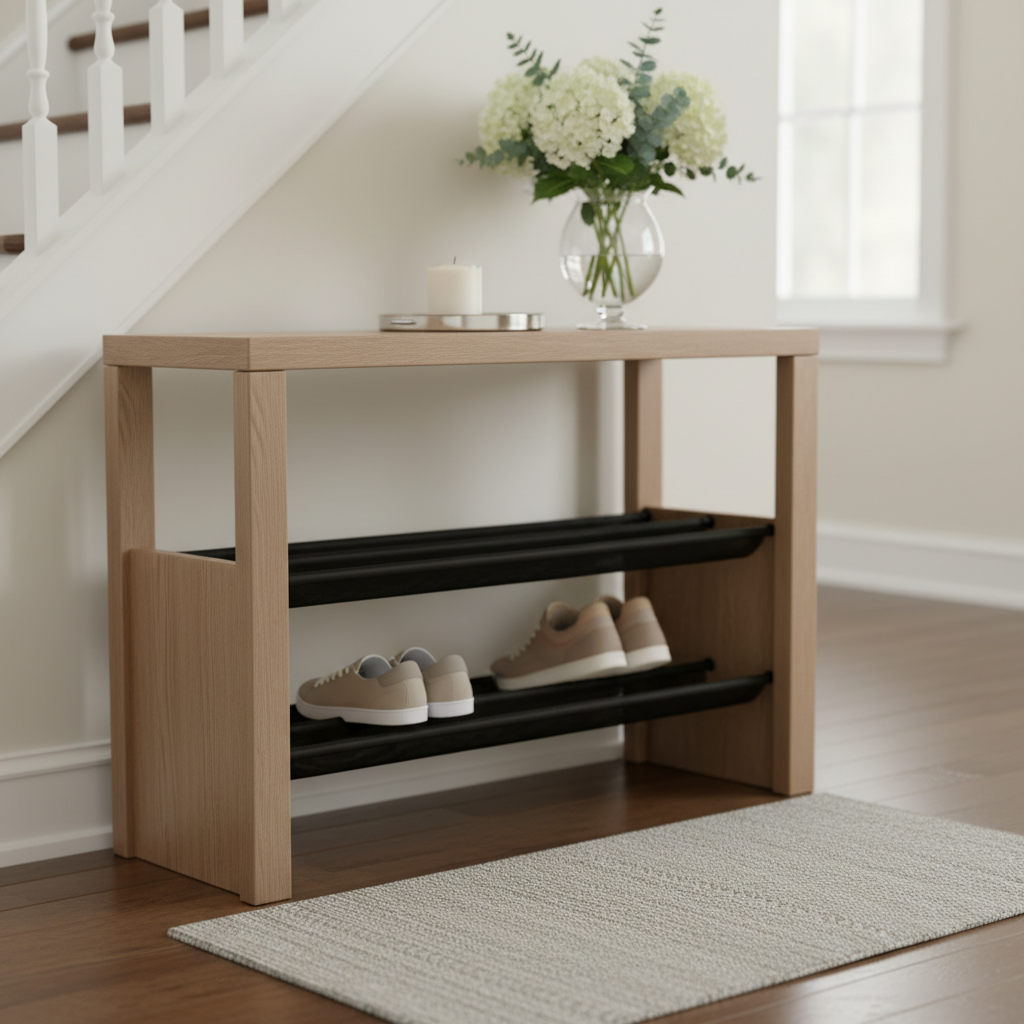
- Entry excellence: Provide a tidy shoe area, umbrella stand, and a simple console with a small plant or bowl.
- Secure and protect: Lock up jewelry, medications, mail, smart speakers, and personal documents.
- Pet plan: Remove pet items and deodorize. Arrange off-site care during showings if possible.
- Day-of routine: 30-minute sweep: lights on, blinds open, bins emptied, towels fluffed, beds tight, counters cleared.
Room-by-room quick wins
- Kitchen: Clear counters except one appliance. Add a bowl of green apples. Empty trash and run dishwasher.
- Living room: Arrange seating in a U or L. Hide cables. Fold throws; limit pillows to three per sofa.
- Bathrooms: White towels, new soap, empty hampers, closed toilet lids, dry surfaces.
- Bedrooms: Hotel folds, two pillows per sleeper, neutral bedding, empty nightstands.
- Office: Coiled cords, one clean monitor, remove personal paperwork.
- Balcony/patio: Two chairs and a plant. Sweep and stage as a bonus living zone.
DIY vs. Professional Staging: What’s Best for Your Listing?
Choose DIY staging if you have time, neutral furnishings, and follow a strict checklist. Hire a professional when rooms feel small, dated, or vacant. A hybrid—DIY prep plus targeted pro help—often delivers the best return with less disruption.
We see three practical options for Mississauga sellers. Use the table to compare effort versus impact, then pick what fits your timeline and bandwidth.
| Approach | Best For | Pros | Cons | When to Choose |
|---|---|---|---|---|
| DIY staging | Occupied homes with fairly neutral furniture | Flexible, budget-friendly, keeps your style (lightly edited) | Time-intensive, harder to be objective | You can follow a checklist and pre-pack 20–30% of items |
| Professional staging | Vacant, dated, or awkwardly sized rooms | High-impact visuals, photogenic layouts, buyer-focused design | Requires scheduling and temporary furniture moves | Photos need a dramatic lift and spaces feel smaller than they are |
| Hybrid | Most typical family homes | Targeted upgrades (rugs, art, lighting) without full overhaul | Still needs a declutter sprint beforehand | You want strong photos and a calm, lived-in feel |
Not sure which lane to choose? Walk us through photos of your rooms and we’ll recommend the lowest-effort plan to maximize buyer appeal.
Scheduling, Access, and Showing Etiquette
Offer flexible windows, confirm access instructions, and leave the home 10 minutes before the first arrival. Lights on, blinds open, and soft background noise help buyers relax. Clear parking, secure pets, and avoid being present during tours.
Good scheduling removes friction and builds goodwill. Here’s a reliable routine we share with sellers preparing for home showings.
- Set showing windows: Weeknights 5–8 p.m. and weekend mid-mornings perform well. Add a 15-minute buffer to avoid overlap.
- Confirm access: Provide alarm code steps, Wi‑Fi details for smart locks, and any condo elevator booking notes.
- Prep the driveway: Move cars off-site if possible; buyers appreciate easy parking and a clear view of the façade.
- Leave on time: Exit 10 minutes early. Buyers linger longer when owners are not present.
- Subtle atmosphere: Curtains open, lights on, HVAC at a comfortable setting, and low-volume ambient music if appropriate.
- Safety and privacy: Hide documents and prescriptions, and turn off desktop monitors.
Curb Appeal That Frames the Sale
First impressions form at the curb. Clean lines, fresh planters, a spotless entry, and warm porch lights set buyer expectations before they open the door. Keep tools hidden, paths edged, and mailboxes tidy to convey pride of ownership.
Exterior care signals low maintenance and care inside. Focus on what buyers see first and last.
- Trim and tidy: Edge lawn/walks, prune shrubs below window sills, and sweep daily during the listing period.
- Front door focus: Freshen paint, polish hardware, and add symmetrical planters for balance.
- Lighting: Replace bulbs, clean fixtures, and use warm light temperature for evening showings.
- Porch/minimal décor: One seating set, no seasonal clutter. Less feels upscale.
- Backyard cues: Stage a dining area and clear toys. Make outdoor living obvious—even on smaller lots or balconies.

Photos, Virtual Tours, and Marketing Readiness
Prepare your home for photography like it’s showtime: clear counters, hide cords, perfect beds, and light every room. Great photos and tours increase online saves and private showings, giving you more qualified buyers through the door.
Online attention fuels in-person showings. Treat photo day like your most important appointment.
- Photo checklist: Lights on, blinds open, toilet lids down, pet items removed, cars off driveway.
- Tour flow: Ensure each room has a defined purpose so the camera tells a coherent story.
- Windows and mirrors: Streak-free glass reads as “newer” in photos and in person.
- Hide evidence of repairs: Paint touch-ups should be invisible under natural and artificial light.
For broader marketing context and seller planning, see these practical overviews on Ontario home marketing, an FSBO showing checklist, and a GTA-focused selling guide.
Troubleshooting Common Showing Problems
When surprises happen—spills, smells, storms—lean on simple playbooks: open windows, spot-clean, reset lighting, and extend the window. Keep a go-bag with wipes, microfiber cloths, and spare bulbs. If overlap occurs, step away and let your agent manage traffic.
We keep sellers calm by practicing resets ahead of time. Here’s what to do when real life shows up right before the doorbell rings.
- Last-minute mess: Stash in clean bins, wipe counters, and run a fast vacuum in traffic areas.
- Odors: Ventilate for 10–15 minutes; avoid heavy sprays. Boil a pot of water with lemon slices if you must.
- Bad weather: Put out extra mats and a boot tray. Add a folded towel at the entry to catch drips.
- Overlapping tours: Communicate via your agent; extend the window and reduce crowding at the entry.
- Small spaces: Remove one extra furniture piece and add a mirror—space reads larger immediately.
Advanced Tips to Stand Out in Mississauga
In Mississauga and the Regional Municipality of Peel, standout listings master light, sightlines, and convenience: motion lights, labeled storage, and easy parking. Elevate with fresh hardware, crisp bedding, and consistent bulb color temperatures to create a polished, move-in-ready feel buyers remember.
Here are higher-leverage tactics we deploy with sellers who want a memorable first week on market.
- Lighting discipline: Use matching color temperatures per room (e.g., 3000K warm in bedrooms, 4000K neutral in kitchens).
- Hardware refresh: Swap dated knobs and pulls. Small, tactile upgrades signal care and modernity.
- Smart convenience: Motion lights in closets, labeled bins in mudrooms, and obvious charging spots read as “organized life.”
- Line of sight wins: From the entry, ensure the eye sees a focal point—art, fireplace, or outdoor view.
- Appliance pride: Run a vinegar rinse in the dishwasher and washer; buyers often open them.
- Garage matters: Hang tools, clear the floor, and mark storage areas. Even small garages can look efficient.
Buying Guide If You’re Also Moving
If you’re selling and buying, align timelines early: financing pre-approval, wishlist and neighborhoods, and conditional periods. A tight plan reduces double-moves and keeps you confident when offers land quickly.
Many Mississauga sellers are move-up buyers. As you learn how to prepare for a home showing, consider what happens next.
- Pre-approval ready: Meet a mortgage professional for updated terms and rate holds for your target window.
- Neighborhood shortlist: Clarify commute, schools, and amenities so you can act fast on the right listing.
- Contingencies and timelines: Coordinate closing dates and any rent-backs with your agent to reduce moving friction.
- Packing system: Color-code boxes by room; keep a “first 48 hours” box for essentials.
Want a custom showing plan? We’ll review photos, map a room-by-room checklist, and time your first week on market for maximum impact. Call Meet Pandya at 647-838-4900 to start.
Frequently Asked Questions
Sellers ask about timing, being present, pets, scents, and photo-day prep. The short answers: schedule flexible windows, step out during tours, remove pets and odors, avoid heavy fragrances, and treat photo day like a showing—lights on, clutter gone.
How far in advance should I start preparing?
Begin 3–4 weeks before listing. Spend the first two weeks on decluttering, repairs, and deep cleaning. Use the final week to stage, fine-tune lighting, and practice a 30‑minute day-of routine so every showing feels smooth.
Should I be home during a showing?
It’s best to step out. Buyers stay longer and speak more freely when owners aren’t present. Leave 10 minutes before the window opens and return after it ends to avoid hallway overlap.
What scents work best for showings?
Aim for neutral and barely-there. Fresh air beats heavy sprays. If you want a touch of scent, use mild citrus or linen notes and ventilate for 10–15 minutes before the tour to remove strong odors.
How do I handle showings with pets?
Remove pets, bowls, litter boxes, and bedding before each showing. Clean floors and fabric surfaces, then use a neutral deodorizer. If removal isn’t possible, confine pets safely and add signage for agents.
What’s the most important room to get right?
Kitchens and bathrooms drive first impressions. Make them spotless, decluttered, and well lit. Clear counters, polish fixtures, and use fresh white towels. Small efforts here elevate the whole home.
Key Takeaways
Prioritize safety and cleanliness, stage simply, light every room, and create a reliable day-of routine. Keep pets and strong scents away, plan flexible windows, and make parking easy. Consistency across showings builds buyer confidence and momentum.
- Foundation first: fix, declutter, deep clean, then stage.
- Define each room’s purpose and light it well.
- Entry and curb appeal frame the buyer’s experience.
- Have a reset plan for weather, odors, and overlaps.
- If you’re also buying, align financing and timelines early.
Conclusion
Showing success is repeatable: a solid foundation, disciplined staging, great lighting, and calm execution. When you follow a clear checklist, your home feels bigger, newer, and easier to buy—helping you sell faster and with less stress.
If you want a customized plan for how to prepare for a home showing, we’re here to help. From the first walkthrough to photo day and your opening weekend, our structured approach keeps you confident at every step.
Additional Resources
Use these ideas to go further: print a room-by-room checklist, pack a showing go-bag, and rehearse your 30-minute reset. Simple, repeatable habits are the secret to consistent, high-quality showings across your entire listing period.
- Print a master checklist and tape it inside a kitchen cabinet.
- Keep a dedicated bin with wipes, microfiber cloths, gloves, and spare bulbs.
- Pre-pack two boxes per room so day-of tidying takes minutes, not hours.